
- Home
- / Activities
- / Veterinary department
- Diagnostic services
Diagnostic services
The Diagnostic Veterinary Laboratory of CJSC "Konsul" was established in 2014. Over time, the laboratory's activities have gained recognition from virtually all those wishing to conduct laboratory diagnostics necessary for clarifying diagnoses or investigating causes of non-productive animal losses, with the aim of improving production efficiency at livestock enterprises in the Republic of Belarus.
Authority from the State Sanitary Supervision of the "Brest Zonal Center of Hygiene and Epidemiology", indefinite conclusion No. 217/1 dated 05/30/2014.
License for veterinary activities No. 02150/1718 dated February 25, 2014.
In 2014, CJSC "Konsul" commissioned its Diagnostic Veterinary Laboratory. The laboratory's material and technical base is well-equipped with modern laboratory equipment, enabling highly effective diagnosis of diseases in farm animals and poultry. Specifically, research of various biological materials from animals and poultry, feed and environmental objects for the presence of various pathogens of viral, mycoplasmal and bacterial nature, as well as mycotoxins.
The laboratory conducts the following types of research:
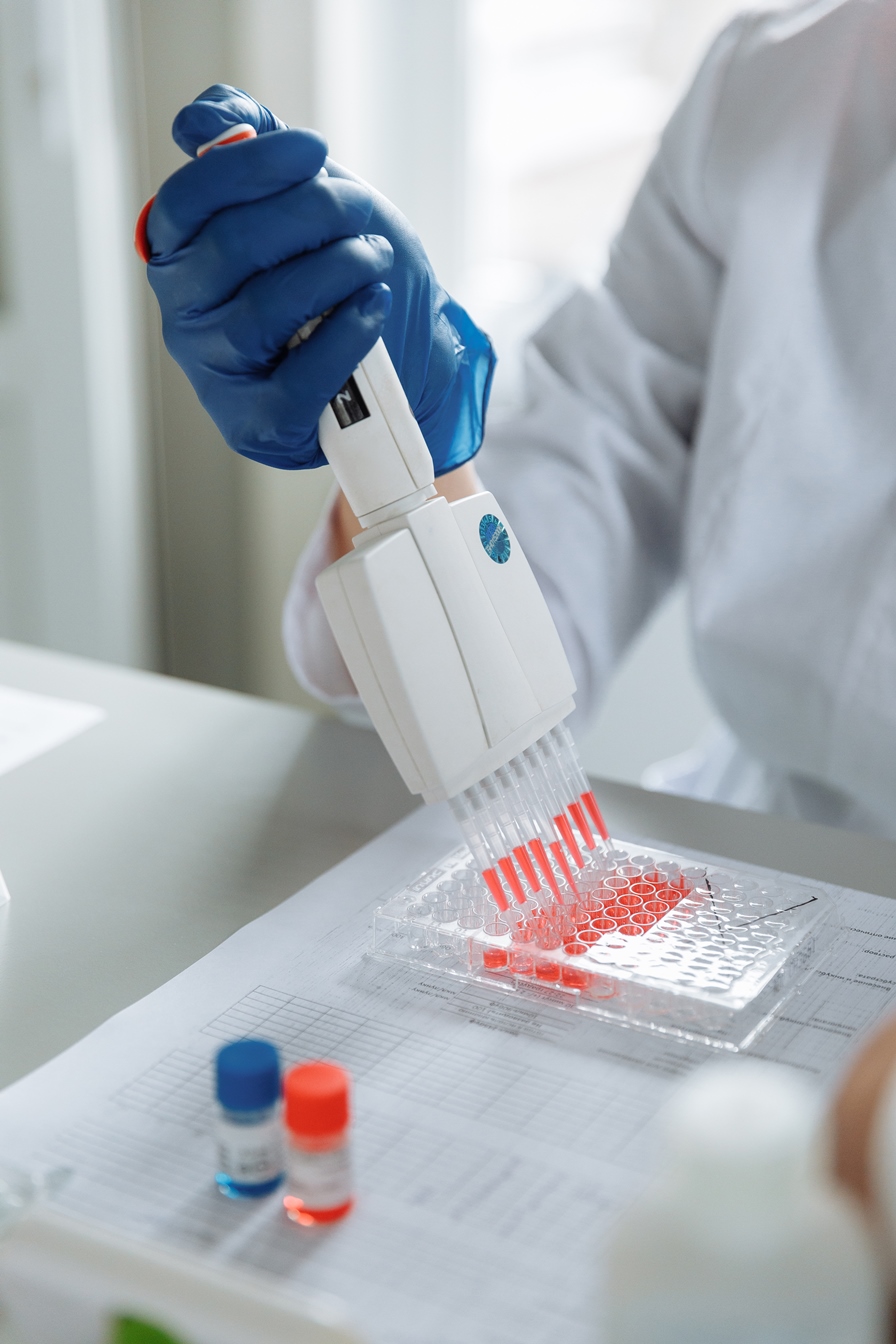
Serological
Study of cellular and humoral immunity in animals and poultry. Humoral immunity is studied through serum protein indicators (IgA, IgM, IgG) to determine immune response intensity to infection or immunization, as well as infection timing. Cellular immunity is studied through indicators of the cytokine profile of animal blood serum (pro-inflammatory and anti-inflammatory GM-CSF, IFNy, IL-1a, IL-1b, IL-1ra, IL-2, IL-4, IL-6, IL-8, IL-10, IL-12, IL-18, TNFa) using multiplex analysis. The obtained data allows for precise evaluation of preventive anti-epizootic measures using vaccines from various manufacturers.
Microbiological
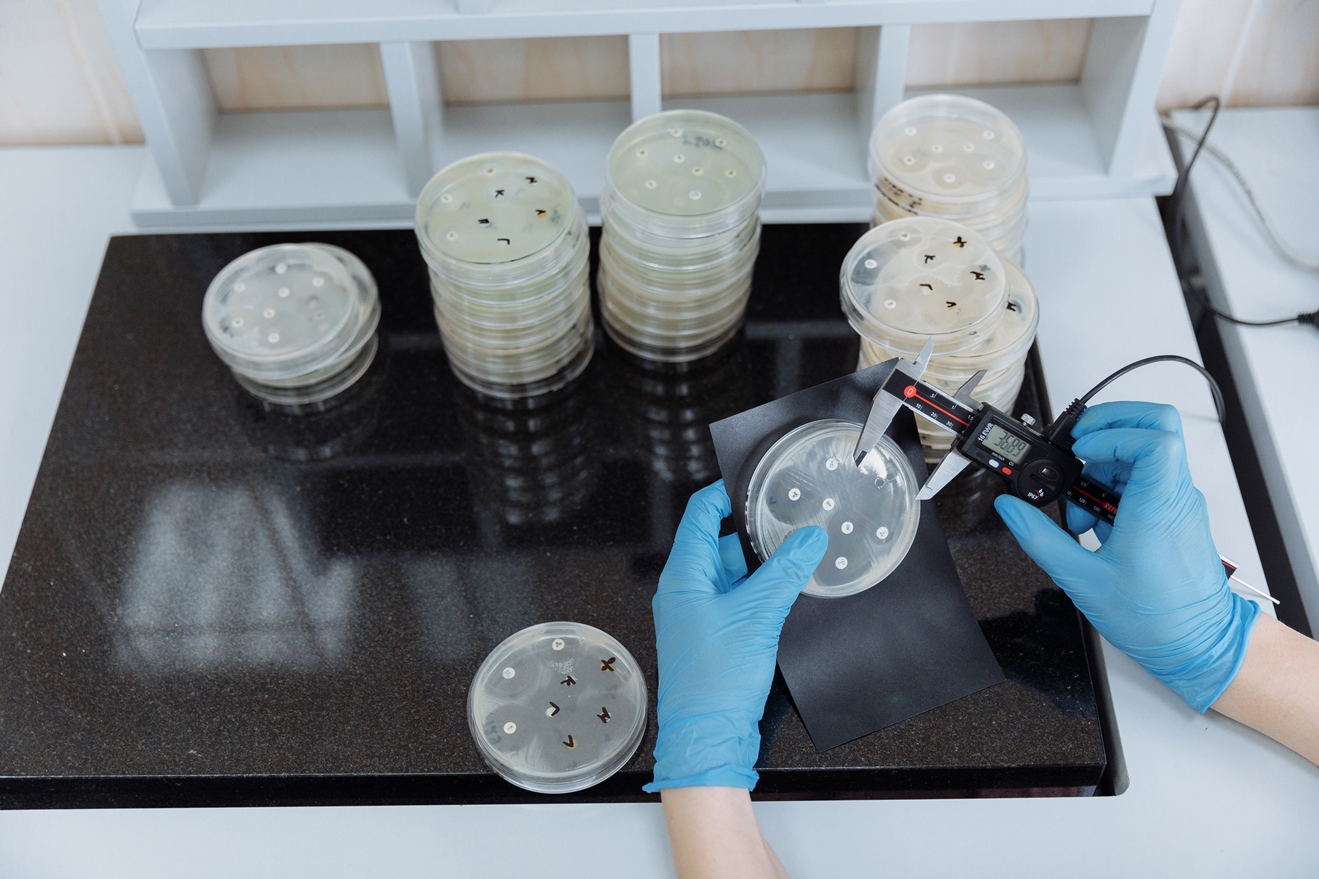
Detection and identification of the most important bacterial and fungal pathogens causing animal and poultry diseases. Determination of serological profile and antigenic structure of infection pathogens. Determination of sensitivity (resistance) of bacterial pathogens to antibiotic treatments, selection of optimal treatment regimens using antibiotics. Determination of microbial and fungal contamination of feed and feed raw materials. Additional research tool for microorganisms identified in materials using the MALDI Biotyper microbial identification and classification system. MALDI Biotyper is integrated with an international database, a constantly updated reference library containing thousands of spectra of individual strains. The system can be easily supplemented with new data for identifying bacteria, yeasts, and fungi.
Molecular Diagnostics
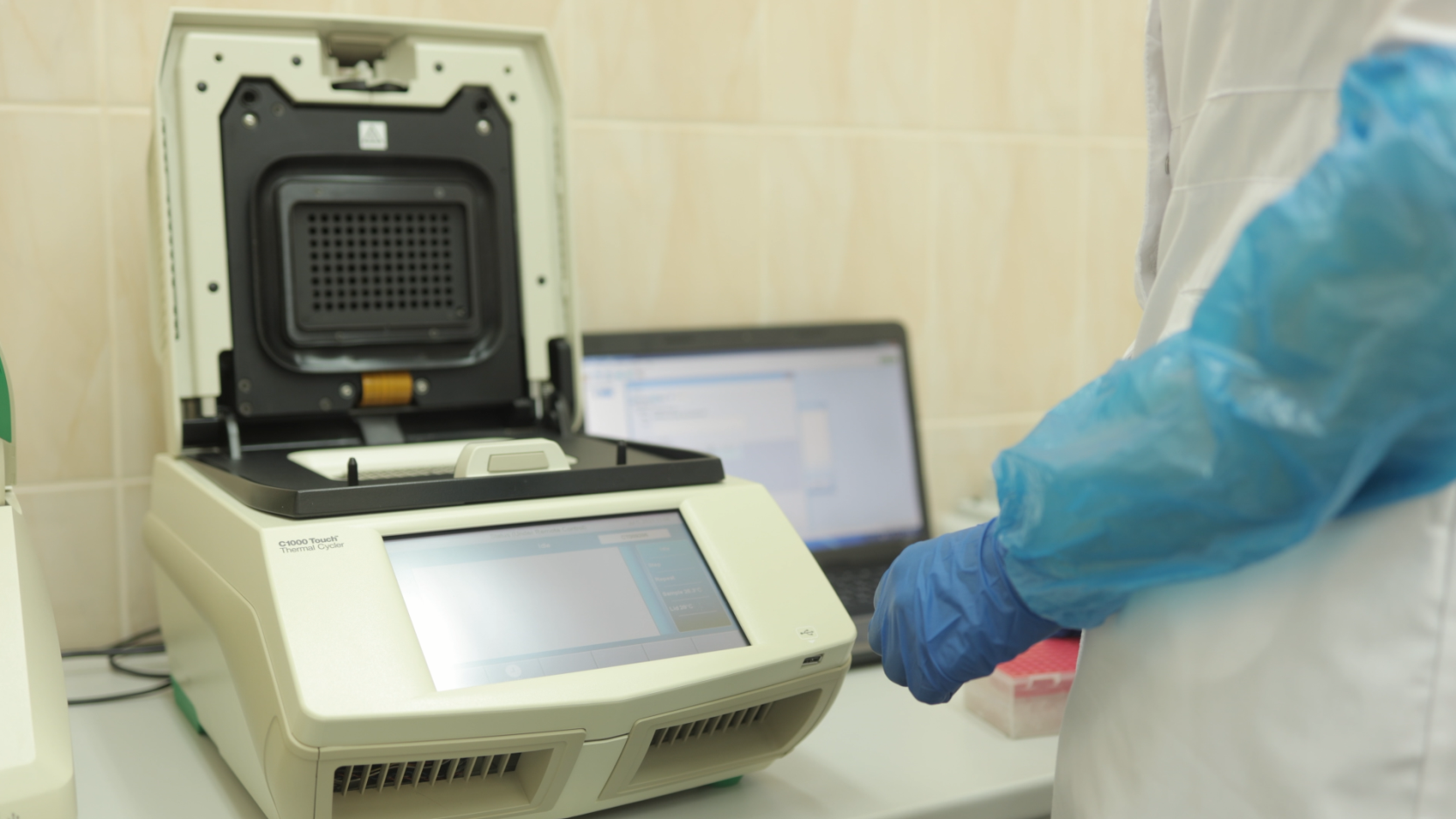
PCR (polymerase chain reaction) diagnostics. Identification of viral and bacterial pathogens in test materials by genetic code. PCR research is conducted in qualitative, semi-quantitative and quantitative detection modes. An additional tool in molecular diagnostics is sequence analysis conducted at the Institute of NAS of Belarus.
This data is used for:
- diagnosing infectious diseases in humans and animals;
- fundamental scientific research;
- developing new drugs: analyzing and comparing protein profiles of drug-resistant bacterial strains to find new pharmacological targets;
- standardizing microbiological collections, enabling faster comparison and classification of strains from various isolates;
- in food industry for early detection of dangerous unwanted microorganisms during production.
Toxicological Research
Research of feed and feed raw materials for quantitative determination of mycotoxins (Deoxynivalenol - DON, Aflatoxin - Afla, Zearalenone - Zea, Ochratoxin - Ochra, T2-toxin, Fumonisin - Fum).
Parasitological Research
Parasitological research is conducted using classical methods - flotation microscopy and PCR method:
Anaplasma bovis, Anaplasma marginale, Anaplasma spp.
Babesia (B. bovis, B. bigemina)
Eimeria spp. (E. bovis, E. zuernii and E. auburnensis)
Dictyocaulus spp.
General Clinical Blood Analysis and Biochemical Blood Analysis
Research of animal and poultry blood through general clinical blood analysis 5-diff (flow cytometry) and biochemical analysis methods (colorimetry, turbidimetry, and ion-selective detection).